Category Archives: heritage

Abingdon 100 Years Ago – October 1926


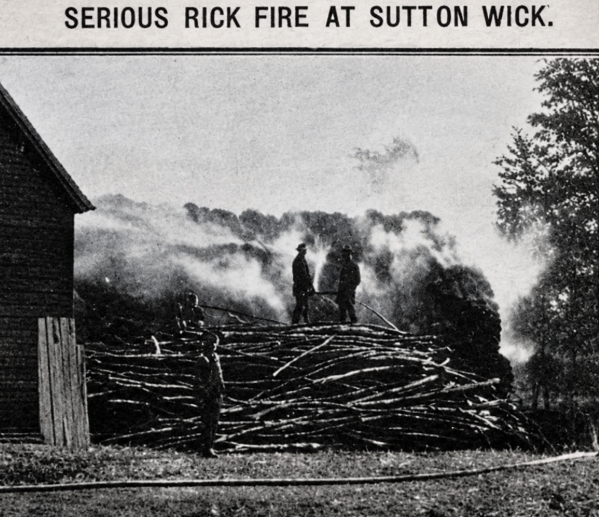
Rick Fire

The Abingdon Fire Brigade received a call at 1.45 on Friday morning to a fire at Sutton Wick, and got away in nine minutes. The fire was found to be a 60 ton rick fire, the property of Mr. Henry Aldwinckle, which was well alight. As the fire was in the midst of farm buildings and two straw ricks, the brigade, under Chief Officer J. Gibbons, was working for 64 1/2 hours, returning home at 6.30 p.m. on Sunday. The rick, which is insured, was lighted from the outside.

Coal Rationing
A direction by the Committee appointed by Abingdon Borough Council, and signed by the Town Clerk W. C. Croasdell said that residents were generally limited to obtaining 1 cwt of coal (112 lb, or approximately 50.8 kg) every two weeks, and suppliers could not deliver more if the household already had a stock exceeding 5 cwt (560 lb, or approximately 254 kg), unless the council gave written permission. This was a form of coal rationing, intended to regulate the supply and stockpiling of coal for domestic use.

It went on to say ‘If any person contravenes any of the provisions of the said Directions he shall be liable on summary conviction to imprisonment with or without hard labour for a term not exceeding three months or to a fine not exceeding one hundred pounds or to both such imprisonment and fine, and shall be liable to forfeit to the Crown any goods or money in respect of which the offence was committed.’

Seven Days’ Hard Labour

George Berry (27), described as a platelayer, travelling from Oxford to Newbury, was brought up in custody charged with absconding from the Abingdon Union whilst a casual inmate on October 8. Defendant pleaded guilty.

Mr. James Henry Smith, the Master of the Institution, stated that defendant was admitted to the casual ward the previous night, and on admission was told that he would have to do a day’s work, and would be discharged on Saturday morning. That morning, whilst a man went to fetch his breakfast, defendant got over the door and absconded without doing his wood chopping.

Defendant said he called at the Catholic priest’s house the previous evening and asked for a pair of boots. He was told to call again at 8 a.m. that morning. He wanted to get to Southampton to work, but the previous day he had to walk in his stockinged feet. It was only the fourth casual ward he had been in since the strike began, and he was sure of work when he got to Southampton as they were building new docks there, and there was enough work for about a thousand men for five years. He did not mind going back to do his day’s work.

The Master said that if a man was a genuine case and came to him with proof that he had work to go to, he had authority to release him without performing his task, but defendant, instead of telling him anything, got over the door and absconded. Two other casuals who performed their task the previous day had been let out that morning, and had informed the police that defendant had absconded.

Defendant was sentenced to seven days’ hard labour.
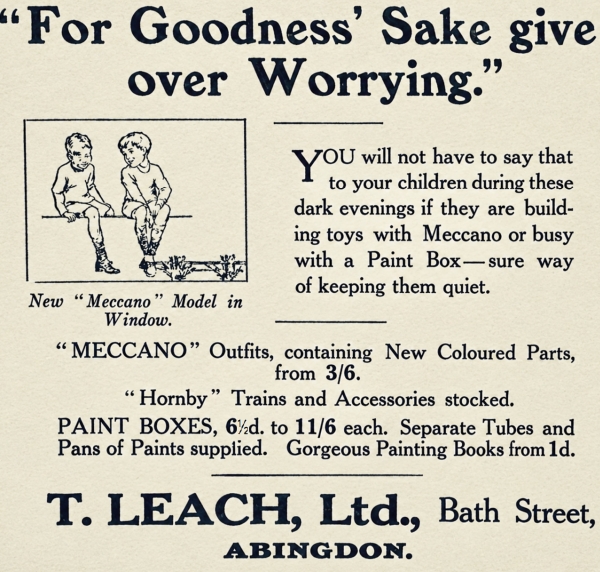
Local Window-Dressing Success

Messrs. T. Leach’s, Ltd., of Bath-street, are to be congratulated on having gained second prize in the national window-dressing competition for a display of books published by Messrs. Hodder and Stoughton, Ltd.

Michaelmas and Runaway Fairs in Abingdon

Abingdon was once again the centre of attraction for large numbers of people from all parts of North Berkshire when the annual Michaelmas Fair visited the town on Monday and Tuesday. For two days, men, women and children entered into “all the fun of the fair”, enjoying a spirit of jollification that offered a brief respite from the troubles brought about by the coal shortage.

The weather was fine for the Michaelmas Fair, which occupied the same area as in previous years and provided much the same amusements. On Monday, around 400 people left on the last train for Oxford.

As usual, the fun was at its height between 6 and 10 p.m. Although the fair did not appear to be as flourishing as in previous years, and even the switchback showed no excessive demand for seats, most visitors seemed to enjoy themselves thoroughly. For many people, and especially for children, the Michaelmas Fair was an eagerly anticipated annual event.

The police were congratulated on maintaining good order throughout the festivities. There were no cases to be heard by the magistrates the following morning.

The Abingdon Runaway Fair was on the following Monday, although the weather was less favourable than it had been for the Michaelmas Fair. The switchback was the principal amusement and attracted a fair number of patrons, while the usual stalls and side-shows were also present.

Abingdon Girl’s Long Walk

Abingdon police and a large band of neighbours and friends in the Vineyard, Abingdon, were engaged in searching the district for Miss Rosie Willis, of 6, Malthouse Cottages, who, leaving home at 9.30 p.m. on Saturday night, did not return. She was found the following day sitting on a seat in North Oxford by a lady, who communicated with the girl’s relatives. Miss Willis was brought home, and after a night’s rest was little worse for her adventure. Mr. J. Willis and family wish to express their thanks to all who in any way assisted them in the search on Saturday night and Sunday morning.
Vicar’s Farewell and Welcome

The Rev. C. S. Fleet preached his last sermons as Vicar of Abingdon on Sunday morning and evening at St. Helen’s to large congregations. At the conclusion of the evening sermon the Vicar thanked the congregation for himself and his wife, for the many kindnesses and words which they had said to them. If he had hurt anyone he must ask their forgiveness and if, on the other hand, he had helped anyone then there was something to thank God for.

The Rev. R. C. MacKeown was inducted to the parish on Saturday afternoon at St. Helen’s by the Bishop, and read himself in on Sunday at St. Helen’s and St. Michael’s.

Sunday Harvest Thanksgiving and the 1926 Crops

On Sunday harvest thanksgiving services were celebrated at the churches of St. Helen, St. Michael, St. Nicolas and St. Margaret. As far as farming conditions are concerned, 1926 will be remembered for its blighted crops and disappointed hopes; it is stated that the corn harvest has failed badly in many of the arable counties. After the favourable and promising weather experienced up to July this failure is doubly depressing. Not only have cereals suffered from blight and the heavy July rains, but beans and potatoes are also affected; potatoes especially have proved most unsatisfactory, and it is to be hoped that no serious shortage will result.

With regard to the year’s fruit crop, plums and damsons have given a good yield, although the plums were very quickly over. One of the most disappointing failures has been in the apple crop – Blenheims especially – and this will doubtless be reflected in high prices at Christmas time. Luckily the pear crop has been more favourable. The majority of the smaller fruits, such as red and black currants, raspberries and gooseberries, were very poor, but loganberries were plentiful.
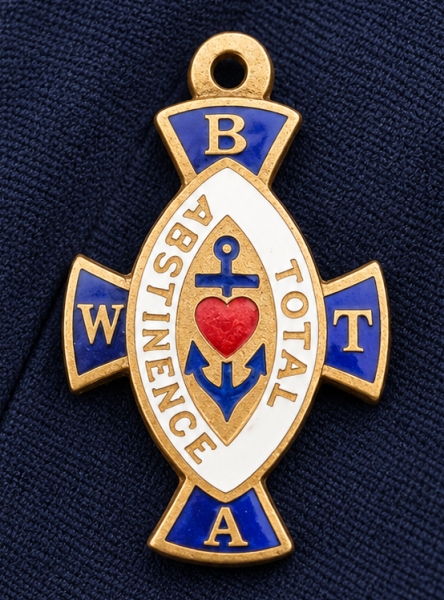
British Women’s Temperance Association Meeting

A temperance meeting organised by the Abingdon Branch of the B.W.T.A. was held in the Baptist Hall on Tuesday and was well attended. The singing was especially hearty, and the speaker was Mr. Fulkes, of Oxford, who gave a stirring address on total abstinence. The chair was taken by Miss Morris.

Dog licences

George Silman of Springdale, Lashford Lane, Dry Sandford, was fined 7s. 6d. on each of two summonses for keeping dogs without licences. He explained that he was out of work and had been unable to afford the fees since returning from France. The magistrates gave him 14 days to pay and warned him to obtain the licences.

Jane Doe, a hawker with no fixed abode, was fined 5s. for keeping a dog without a licence. She pleaded guilty and produced a licence she had taken out that day.

Acknowledgements

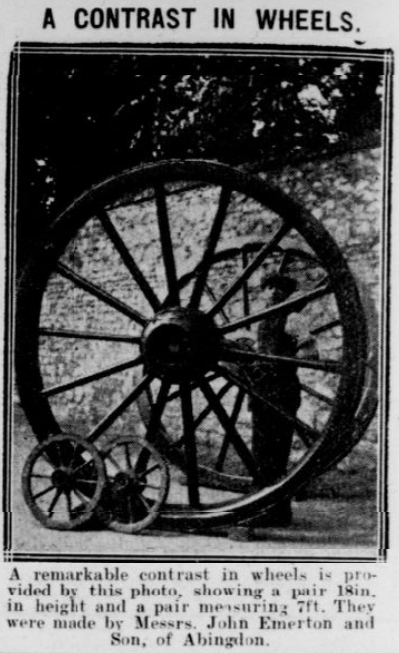
Thanks are due to the British Newspaper Archive for access to the Faringdon Advertiser and Vale of the White Horse Gazette for some stories; to the North Berks Herald microfilm at Abingdon Library for additional stories and the picture of the Leach advert; and to the Oxford Journal at Oxford Library for the photographs of the Wheels and the Rick Fire. The B.W.T.A Badge is from Ebay where it was for sale.
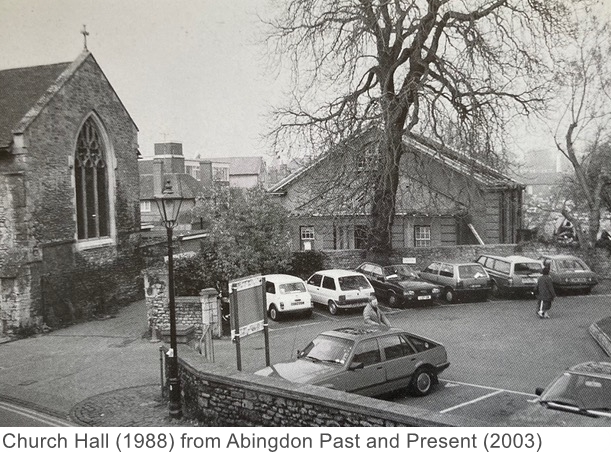
More on the new 1926 Church Hall


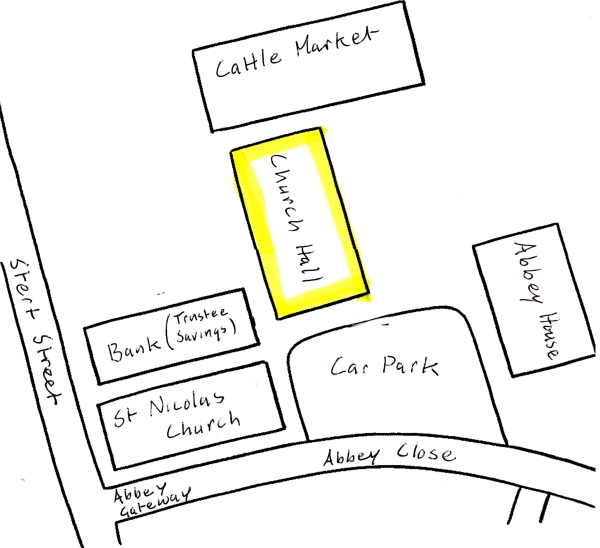
In the feature on Abingdon in September 1926, I reported that the new church hall opened that month, but commenters wondered where it was. Elizabeth sent me a picture that she took – used in Abingdon Past and Present. It answers the question. The picture was taken in 1988, the year before the hall was demolished to make way for the Abbey Close extension from the Vineyard.

As you can see from this roughly drawn map, the church hall, the cattle market and, beyond that, the railway all stood in the way of the Abbey Close extension.

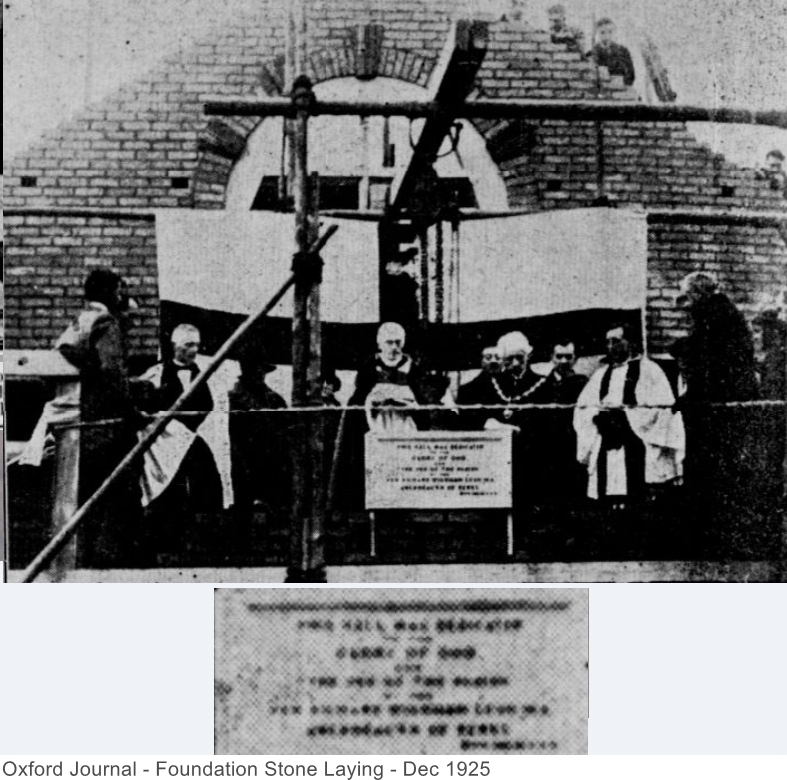
In the Oxford Journal, I found pictures of the hall under construction. This picture from December 1925 is when the foundation stone was blessed by the Archdeacon of Berkshire. The inscription on the stone is not easy to decipher and this is guesswork. It may say, ‘This hall was dedicated … Glory of God …  ????? … Ven Richard Wickham Legg ?? … Archdeacon of Berks.. Anno MCMXXV.’

When I first wrote about the Church Hall back in 2014, Dick Barnes said: “The Church Hall was sited in the Parish of Abingdon St Nicolas, although the legally separate parish of Abingdon St Helen was largely responsible for building and administering it. The dedication tablet over the entrance stated that it was for the benefit of ‘The Parish’.” 

Acknowledgments: Abingdon Past and Present by Elizabeth Drury and Judy Thomas; the Oxford Journal, accessed through Oxford Library.

Abingdon 100 Years Ago – September 1926


Minister’s Farewell

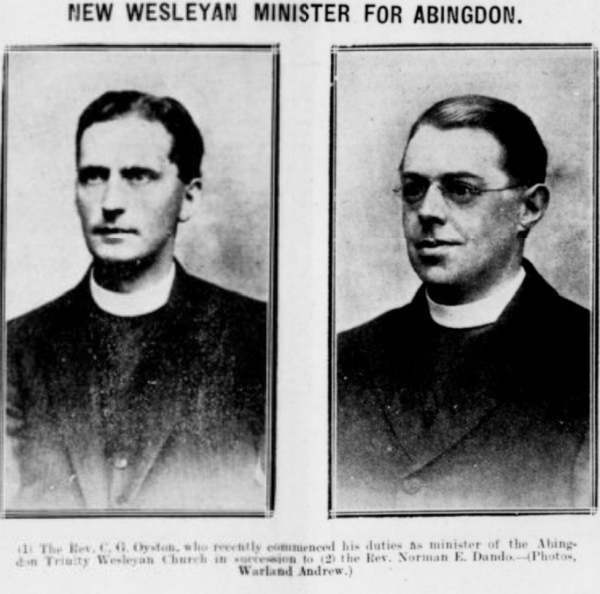
The Rev. Norman E. Dando brought his four years’ ministry at Trinity Wesleyan Church to a finish on Sunday evening. After the service, the congregation adjourned to the schoolroom, where he was presented with a cheque from members and friends of the Abingdon section, amid expressions of regret at his departure and appreciation of his work.

The Rev. Dando is going to Stockport, near Manchester. His successor, the Rev. Charles G. Oyston, from Longton, Stoke-on-Trent, enters upon his duties in Abingdon on the first Sunday in September.

At a meeting of the Wesley Guild the previous Thursday, the Rev. Dando was also presented with a pair of pictures.


Hospital Sunday

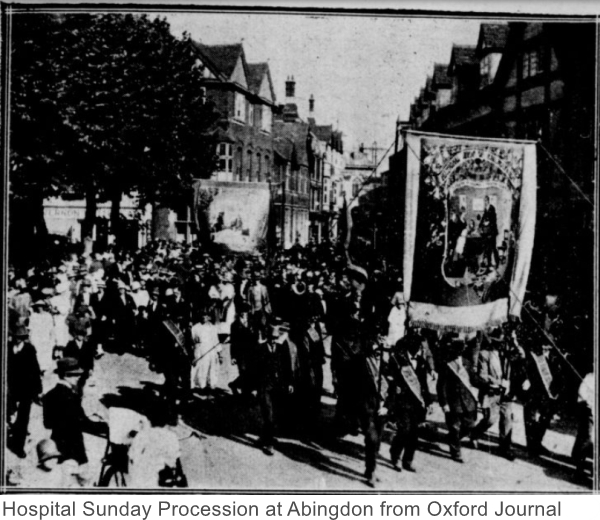
Sunday was “Hospital Sunday” in Abingdon, with a church parade of friendly societies and other organisations. The Mayor and Corporation joined the procession at the Market Place, which proceeded to St. Helen’s Church for a special service. The Vicar, the Rev. C. S. Fleet, preached.

The collection boxes were opened on Monday and the gross receipts amounted to just over £50, a decrease of £7 on the previous year.

The programme was carried through without a hitch. Two doctors made appeals on behalf of the Radcliffe Infirmary and Oxford Eye Hospital in the Abbey House Grounds, where a large crowd had gathered. The musical programme was greatly appreciated.

Rusty Nail Causes Death

Three-year-old Roland John Ovenden, of Ock-street, Abingdon, died after scratching his leg on a nail while playing in his father’s garden.

The injury on August 29 was only a small scratch, but the child’s condition worsened. He was taken to Abingdon Cottage Hospital and later referred to the Radcliffe Infirmary. He died while being taken to Oxford.

Dr. Robert Strong said the cause of death was tetanus, which could have been caused by the rusty nail. A verdict in accordance with the medical evidence was returned.

Excessive Speed

Albert Edward Pullen, of Mountpleasant, Littlemore, was summoned for driving a heavy locomotive at excessive speed at the St. Nicolas corner. The steam wagon and tender knocked a piece from the kerbing as it went round the corner.

The defendant said he was avoiding a motor cyclist and was travelling at only two to three miles per hour.

The case followed evidence from three members of the public, who had also drawn the police’s attention to the way the vehicle negotiated the narrow bend from the Market Place into Stert Street. The regulation speed was five miles per hour.

He was fined £5 and 10s. costs.

Town Sports Club

Though the attendance at a meeting of the Town Sports Club was small, those present showed considerable enthusiasm.

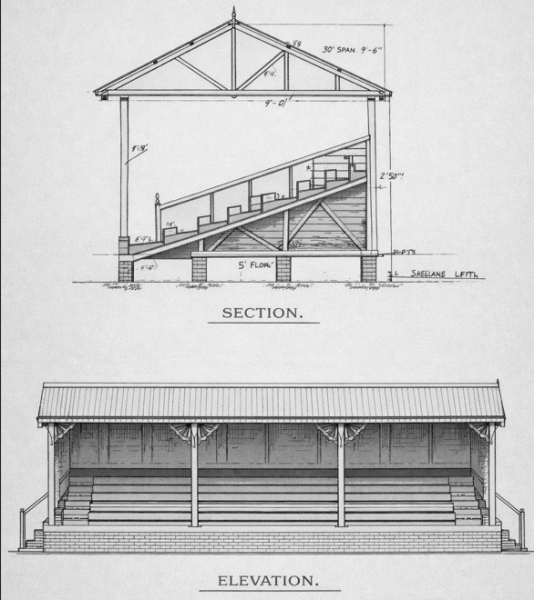
It was unanimously agreed to invite people to take up debenture shares of at least £1 each towards the erection of a stand on the Culham-road ground. Before the meeting ended, £70 towards the estimated £200 cost had been promised.

Visit of Bostock’s Menagerie

Bostock and Wombwell’s menagerie was due to visit Abingdon on Tuesday, with the show staged on the Corporation Meadow at Caldecott. Lectures and performances were to be given at 2.30 and 8.30 p.m.

The collection included lions, tigers, bears and leopards, as well as “Bonzo”, a performing sea lion, and “Dempsey”, described as the only boxing kangaroo in Europe.

Admission was 1s. 3d. for adults and 9d. for children.

Choir Boys’ Outing

The annual outing of the choir boys of St. Helen’s, St. Michael’s and St. Nicolas’ Churches took place on Tuesday. The party left the Market Place at about 7.15 a.m. in two motor-coaches bound for Southsea.

At Southsea the boys split up, with some taking trips round the harbour while others bathed and paddled. Tea was served on Southsea Common before the party left at 5 p.m.

They stopped at Winchester for about half an hour and arrived back in Abingdon at 10 p.m.


Opening of Abingdon Church Hall

The new Abingdon Church Hall was officially opened by Mrs M. T. Tatham, who was welcomed by the Vicar. The Mayor and Mayoress and other guests were present.

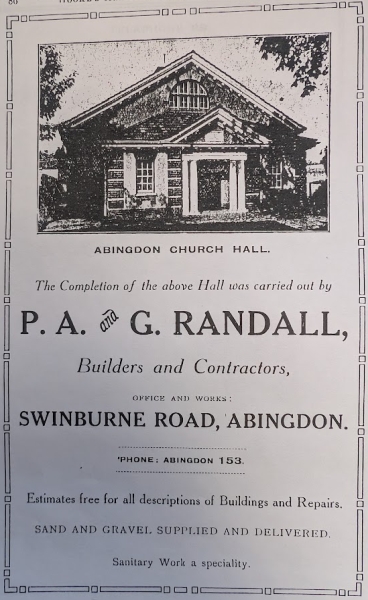
The hall was built in a classic style with a Doric porch. The main hall has oak flooring and electric lighting, with the proportions and general appearance of the building particularly pleasing.

The Vicar spoke of its value for parish work, youth activities and general community use, while the Mayor congratulated the parish on the new building.

Abingdon County Police Court

Arthur Fisher, of Cothill Farm, summoned four men for wilful damage to a hedge at Cothill on August 21, valued at 2s. He also summoned two of them for assault and battery.

The assault case was dismissed, while the four defendants were each fined one shilling for the damage and ordered to pay 6d. each towards the cost.

In a separate Children’s Court case, a 15-year-old boy from Wytham was charged with obtaining a Berkshire County Council driving licence while disqualified because of his age. He was fined £1.

Rick Fire

On Sunday morning the Fire Brigade was called to a fire at Sunningwell. The engine left within four minutes and found a rick belonging to Mr F. C. Taylor alight on both sides.

Water was obtained from a pond about 600 yards away, and part of the rick was saved. The brigade returned to Abingdon about 9 p.m.

The cause of the fire, which had broken out on the exterior of the rick, was unknown.

Acknowledgements

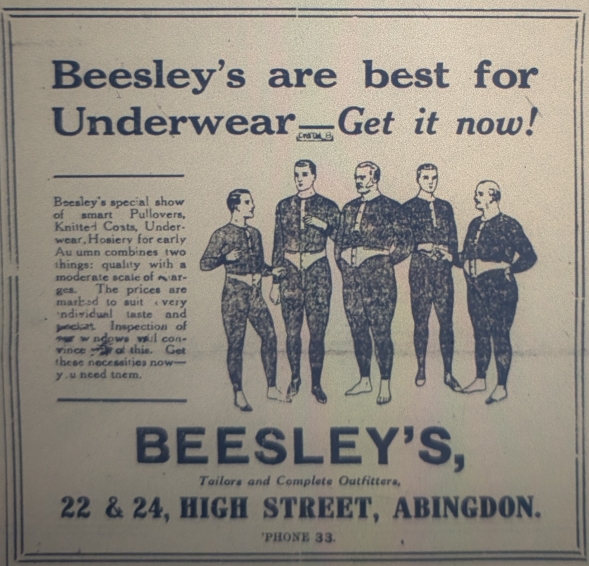
Thanks are due to the British Newspaper Archive for access to the Faringdon Advertiser and Vale of the White Horse Gazette for some stories; to the North Berks Herald microfilm at Abingdon Library for additional stories and the picture of the proposed sports stand and underwear advert; and to the Oxford Journal at Oxford Library for the photographs of the Trinity Ministers and Hospital Sunday; and the Abingdon Directory 1927 for the advert for Randalls which included a picture of the Church Hall.

Heritage Open Day Sunday: History, Art, Walks and a Ferguson Tractor


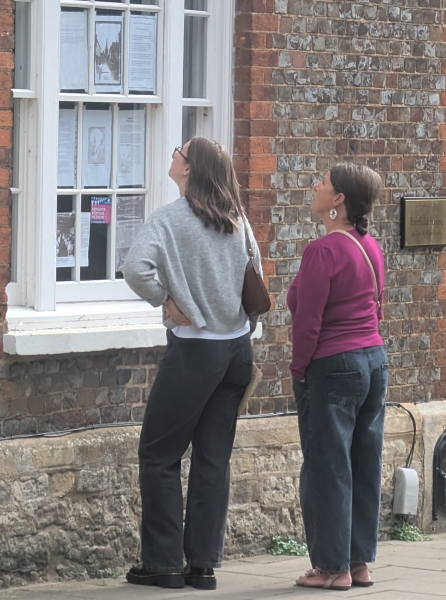
Heritage Open Weekend on Sunday offered nearly as much as Saturday. A lot of the properties in East St Helen Street had their histories in their windows as well as information on the working life of their inhabitants.

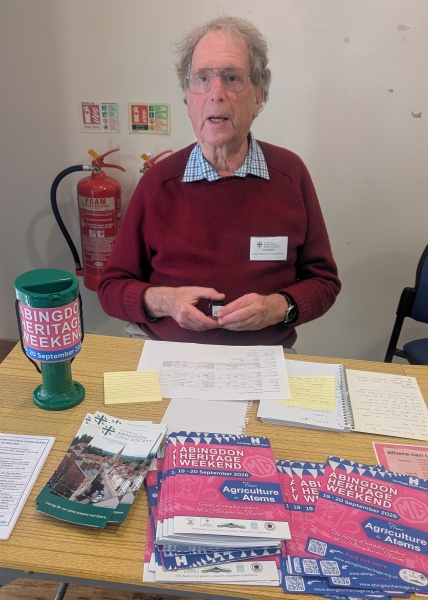
At 25 Bury Street, the downstairs exhibition explored the working lives of Abingdon people in earlier centuries. Michael was working hard, clicking visitors in.

Among the displays was a reference to our house number in West St Helen Street. In the late nineteenth century, a taxidermist named H. Keates operated from a house with our house number.

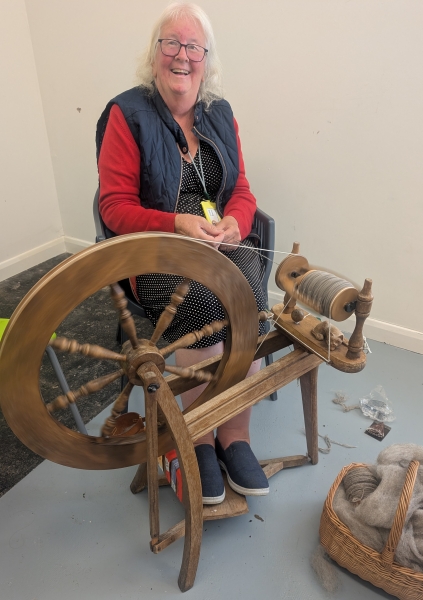
An arrow pointed upstairs with the message: ‘Spinning.’ Up there, the exhibition had more information boards, demonstrations of spinning (and weaving too). Two short films were playing, including one contrasting the arrival of hi-tech atomic energy research in this rural area with scenes of local folk still using horse and cart.

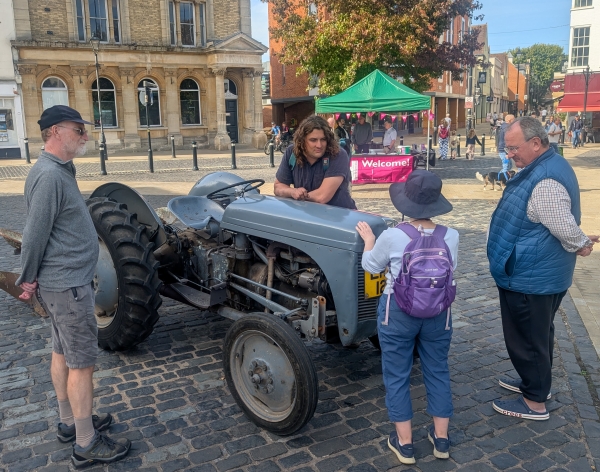
Out on the Market Place, a Ferguson tractor was attracting attention. It was originally bought in 1948 by the convent, and when they upgraded their tractor it was purchased in 1975 by Brian Ford, who ran Radley Road Nurseries for over 30 years. His grandson was driving it today.

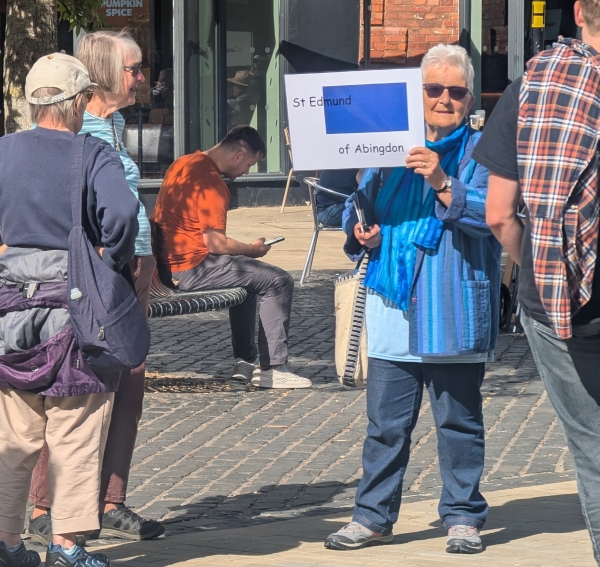
Guided walks set off from the Market Place in the morning and afternoon, and almost all were fully booked. Anne Dodd can be seen here at 2 pm preparing to lead the St Edmund’s Tour, while other afternoon groups headed out on the John Mason Tour and the Abingdon Arts Walk.

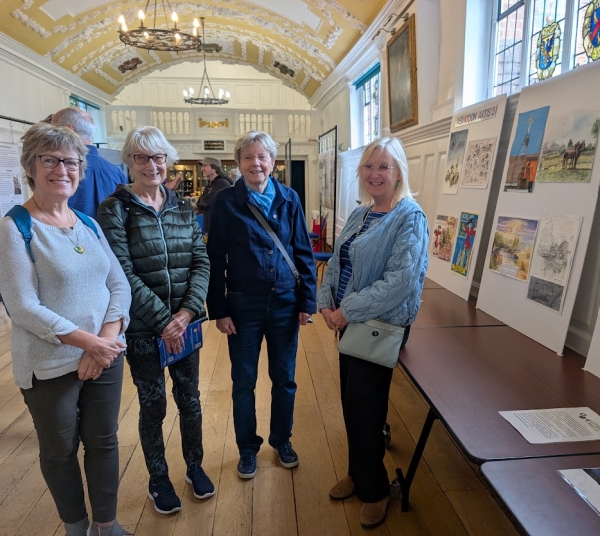
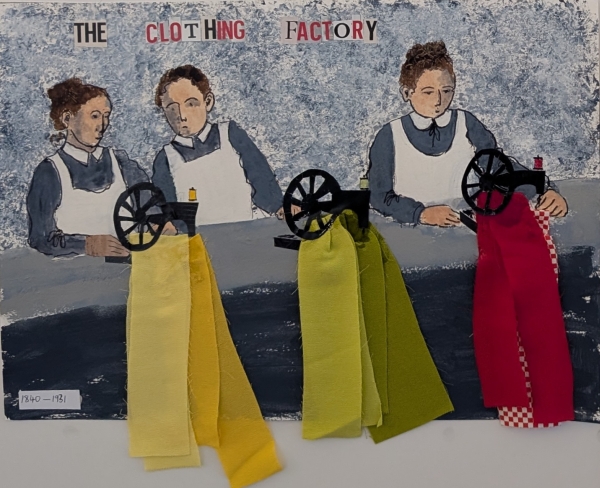
Downstairs in the Guildhall, the Roysse Room hosted artwork by Abingdon artists, many pieces depicting local industries and trades. Here are some of the artists.

Here is one sample of the work showing Abingdon Clothing Factory.

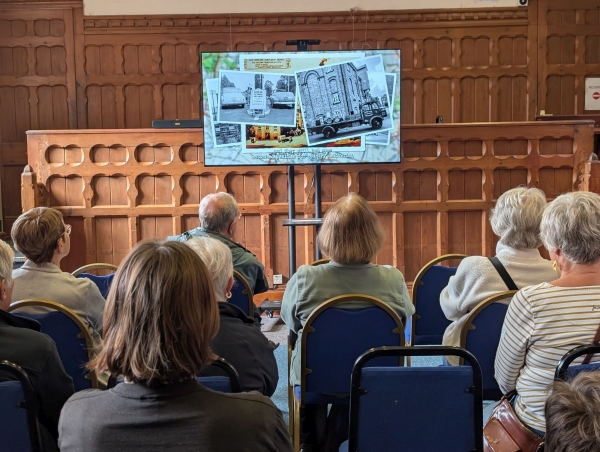
The Roysse Room also contained more information about workplaces in Abingdon. During the morning, lively evangelical music from the Lighthouse Church filled the building, but by the afternoon the atmosphere had quietened. In the Magistrates’ Court, visitors could watch a series of films, including one created by pairing old Abingdon oral‑history recordings with newly added visuals.

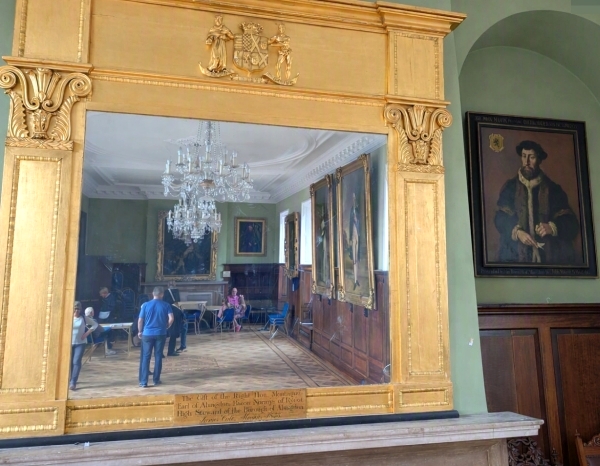
The upstairs rooms of the Guildhall were also open for viewing, giving visitors a chance to explore parts of the building not normally accessible.